Make The Cut · One day · Durban
Anyone can cut.
Few can hold
someone.
Your edits aren't bad because you don't know the software. They're flat because they have no highs, no lows and no cadence — a row of clips where there should be a story. That's a decision problem, not a button problem.
- Format
- One full day, in person
- Seats
- 20 — bring your laptop
- Software
- Principles first, shown in Resolve
- From
- R1 995
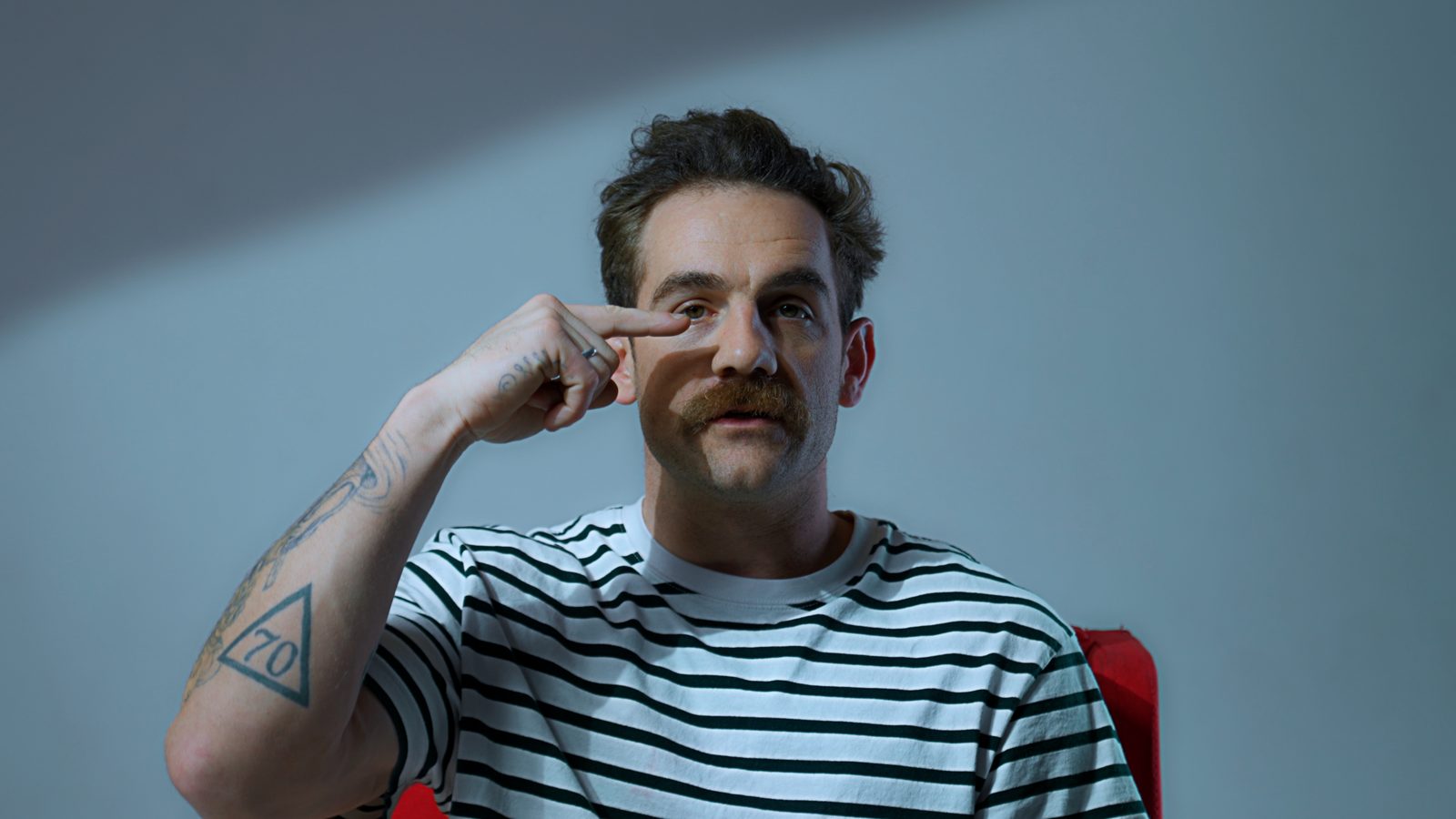 Supplied footage · A-cam
Everyone cuts the same material. The only variable is the decisions.
The diagnosis
There's no story in your timeline.
Watch a flat edit and you can feel what's missing before you can name it. Every shot is roughly the same length. Every moment carries the same weight. Nothing builds, nothing drops, nothing earns the thing that follows it.
That isn't a Resolve problem. Someone who understands cadence can cut a better film in Windows Movie Maker than someone who knows every panel in Resolve and has nothing to say with them.
So this day is about the decisions: which frame holds, which one goes, how long a moment gets before it stops being a moment, and how you build a shape a stranger will stay with to the end. I'll demonstrate all of it in DaVinci Resolve, because that's what I cut on — but what you're learning survives whatever you switch to.
The day
Empty project at nine.
Exported film by five.
One continuous build. You don't watch me work — you work, and I come round.
Project setup and workflow
Starting a project so it doesn't fight you at hour six. Structure, media management, and the settings that quietly decide what's possible later.
Keyboard and workspace
Setting up shortcuts properly. The difference between editing at the speed of thought and editing at the speed of your mouse.
Selects
Going through everything and deciding what's alive. The most undervalued hour in post, and the one that determines the ceiling of the edit.
The draft timeline
Getting a rough shape down fast and resisting the urge to polish anything. Structure before finish, always.
Pacing and cadence
The core of the day. Where the cut lands, how long a beat holds, how you build to something and then give the viewer room. This is the part that separates your work from the stuff you keep re-watching.
Editing techniques
Match cuts, J and L cuts, motivated transitions, montage logic. Out-the-box moves and, more importantly, when not to use them.
Colour grading
Balance first, look second. Nodes, windows and the restraint that separates a grade from a filter.
Sound design
Half the picture. Dialogue cleanup, atmospheres, music bedding, and mix levels that hold up on a phone speaker.
Export and deliver
Master, platform cutdowns, vertical variants and subtitles — rendered and checked before you leave the room.
The footage
I supply it. On purpose.
You could bring your own material, and every attendee would spend the day solving a different problem at a different pace. Instead everybody gets the same properly shot set — multiple cameras, real audio, an interview and cutaways.
That means when the room ends up with twenty different edits of identical footage, the only variable is the decisions. You'll see exactly what a different choice does, which is the fastest way anyone learns pacing.
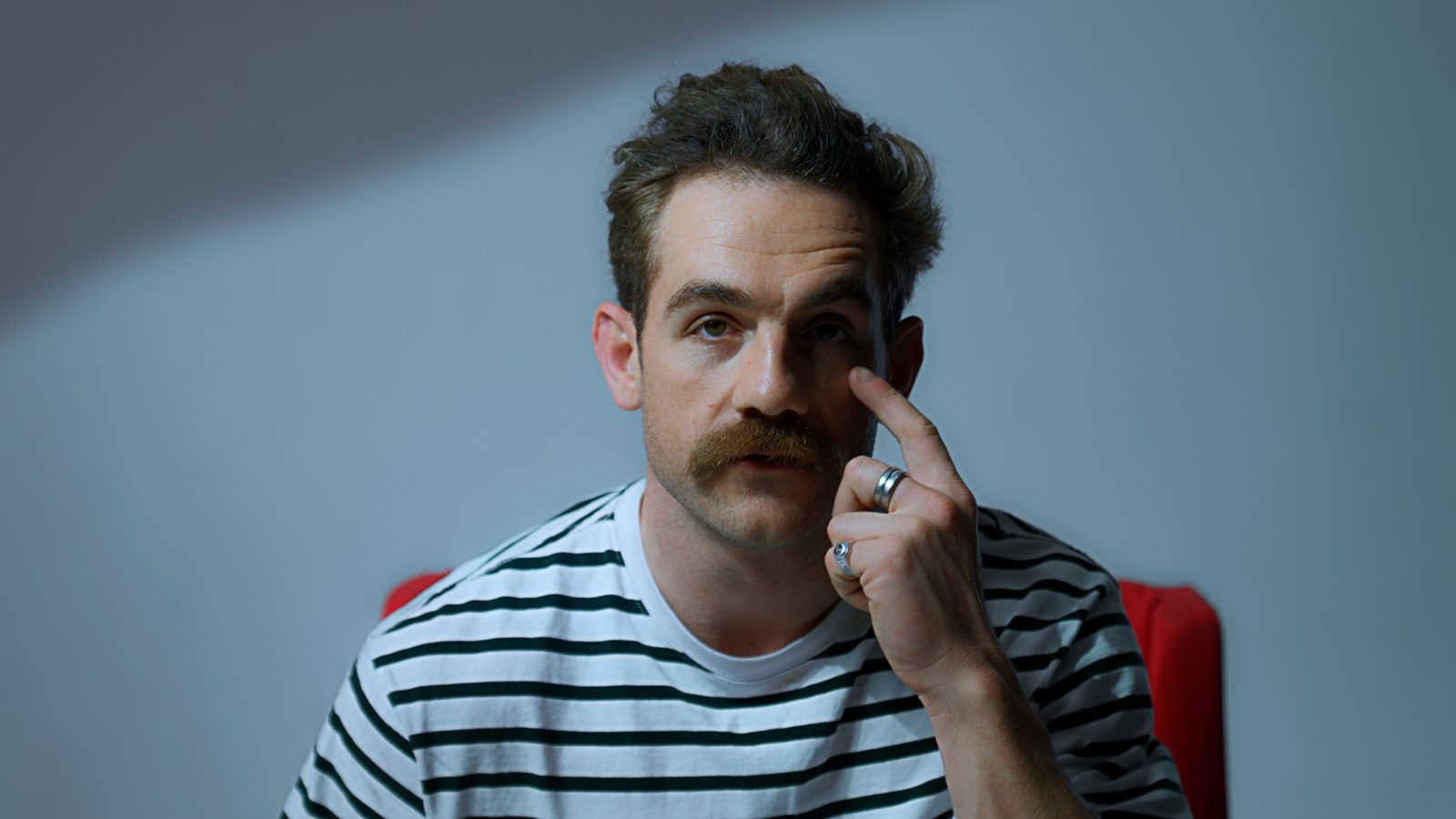 A-cam
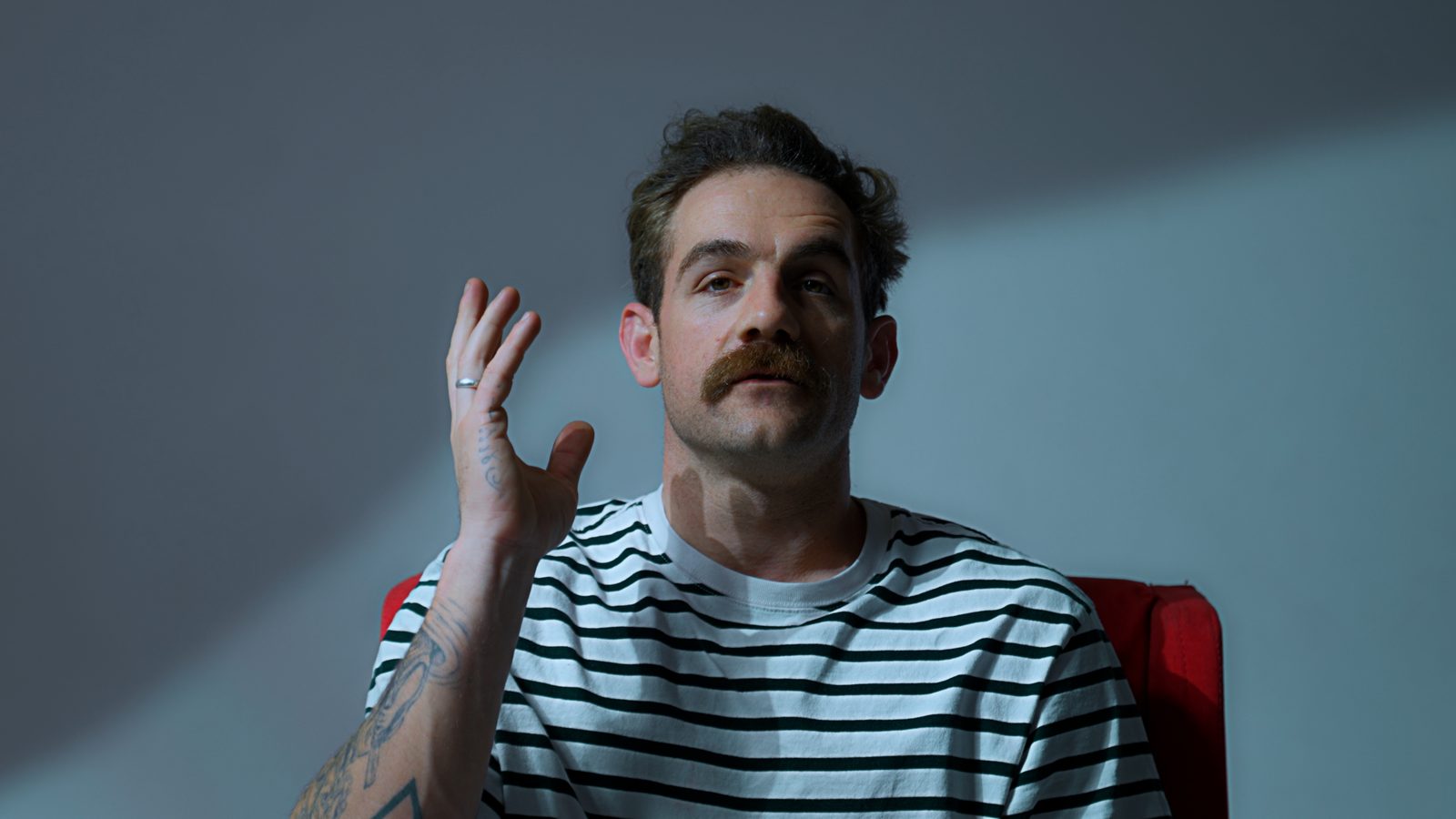 B-cam
Seats
Four ways in.
Same day, same room, same material. The Pro seat is the one worth reading twice.
Early bird · 6 seats
R1 995
The full day, all materials, project files to keep.
Standard
R2 495
Identical day, once the early seats are gone.
Pro seat · 6 seats
R3 950
Everything above, plus my personal asset library — around R30 000 of sound, LUTs and elements I use on paid work — and a 30‑day support line after the day for when it goes wrong at home.
Bring a mate · 2 seats
R4 200
Two standard seats, booked together.
Prices in ZAR. The Pro seats tend to go first — the asset library alone is worth more than the seat.
Straight answers
Before you ask.
Still not sure? Email me with a link to something you've cut and I'll tell you whether this day helps.
What do I need to bring?
I don't use Resolve. Is this wasted on me?
I've never edited at all. Can I come?
Can I cut my own footage instead?
What's actually in the asset library?
When is it?
The other half
Cut it here.
Shoot it there.
Make The Cut teaches you what to do with footage. All The Gear No Idea is the day you learn to go out and get footage worth cutting. Independent days — take either first.
- Both days
- R5 625
- Booked separately
- R6 620 — you save R995