All The Gear No Idea · One day · KwaZulu‑Natal
Make the
mistakes here.
You own the camera. You've watched the tutorials. What you haven't done is shoot enough to make the mistakes — and you're going to make them somewhere. Better here than on a client's set, with their money and their deadline.
- Format
- One full day, in person
- Seats
- 8 — deliberately
- Where
- A studio, KwaZulu‑Natal
- From
- R4 125
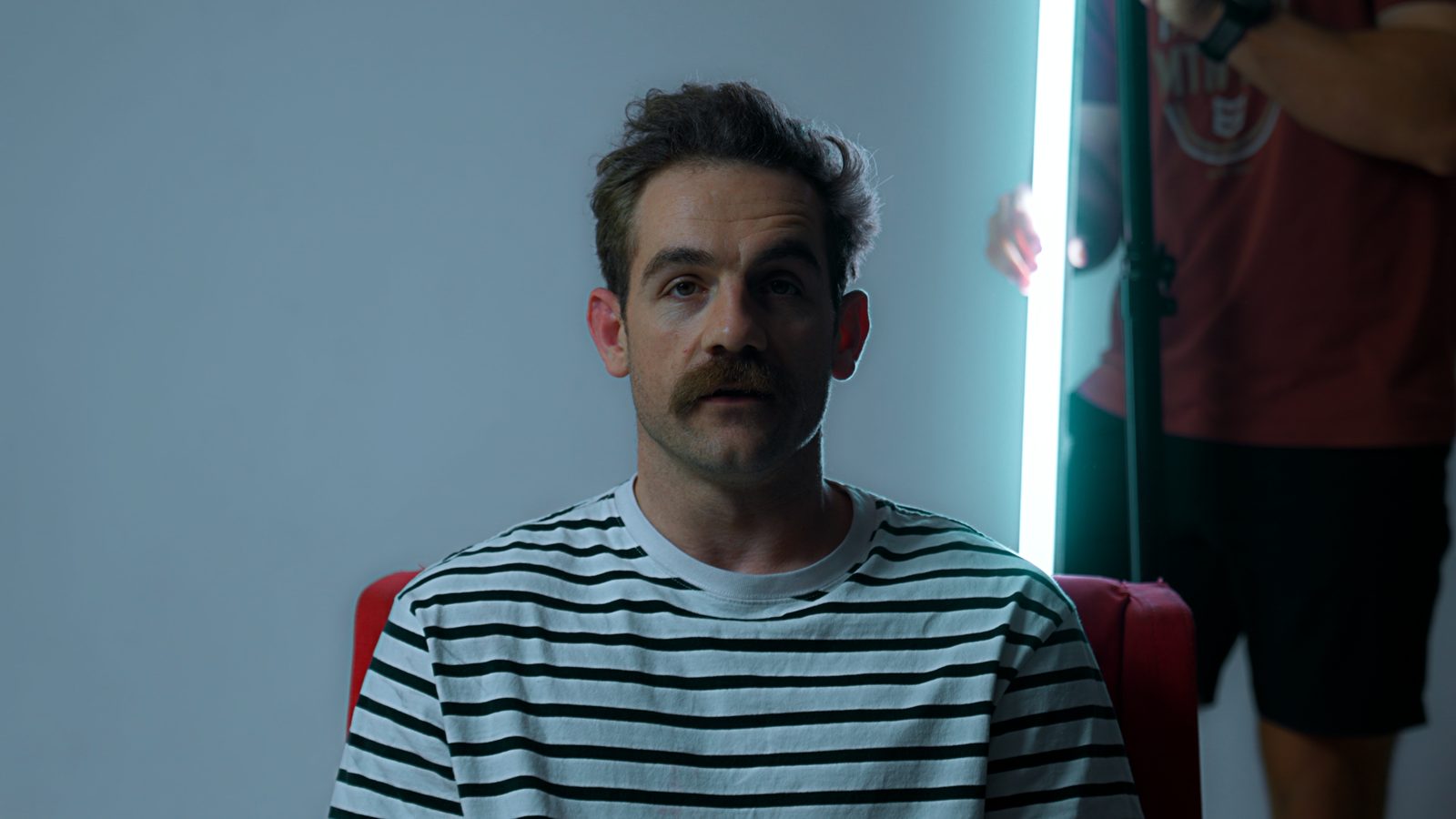 Interview set · live
Someone is always holding the light. On this day, it's you.
The diagnosis
You're not shooting enough.
Almost nobody who comes to this day has a knowledge problem. They know what an f‑stop is. They know what 180° shutter means. They've watched more YouTube than I have.
What they haven't done is shoot. Not properly, not under pressure, not with someone waiting. So the mistakes are all still ahead of them — the white balance nobody checked, the rig that wasn't balanced, the key light half a stop hot, the interview with the aircon running.
You cannot read your way past that. You have to make the mistakes. The only question is whether you make them on a paying job or in a studio where they cost you nothing but a bit of pride.
The day
Theory until 11.
Camera in hand after that.
The morning is the stuff you need so the afternoon isn't wasted. The afternoon is why you came.
Settings, properly understood
Frame rates, shutter, ISO, white balance, codecs and what your camera is actually recording. Not definitions — the reasons one choice closes doors later in the edit.
Rigging and build
How a camera gets built for the shot in front of it, and why a badly balanced rig ruins more takes than a bad lens. Hands on the gear, building and rebuilding.
Lighting, from first principles
Key, fill, separation. Shaping and killing light. What one good light and a bounce can do that four bad ones can't.
Live set — product
A real product, lit and shot properly. Where product reveals its shape and where it turns to plastic.
Live set — movement
A model, doing something physical. Tracking a moving subject, choosing a frame rate with intent, and keeping focus when the subject won't hold still.
Live set — interview
The format most of you will actually be paid for. Two-camera setup, eyeline, sound, and a background that isn't an accident.
Depending on the day and the venue, a car set runs as a fourth. Sets are shot in rotation, so everybody operates on every one.
What's in the room
The bit that makes it worth R4 125.
Most workshops at this price are a talk and a slide deck. This is a working set with people in front of it.
You bring your own camera and glass — you should be learning on the body you'll actually use on Monday.
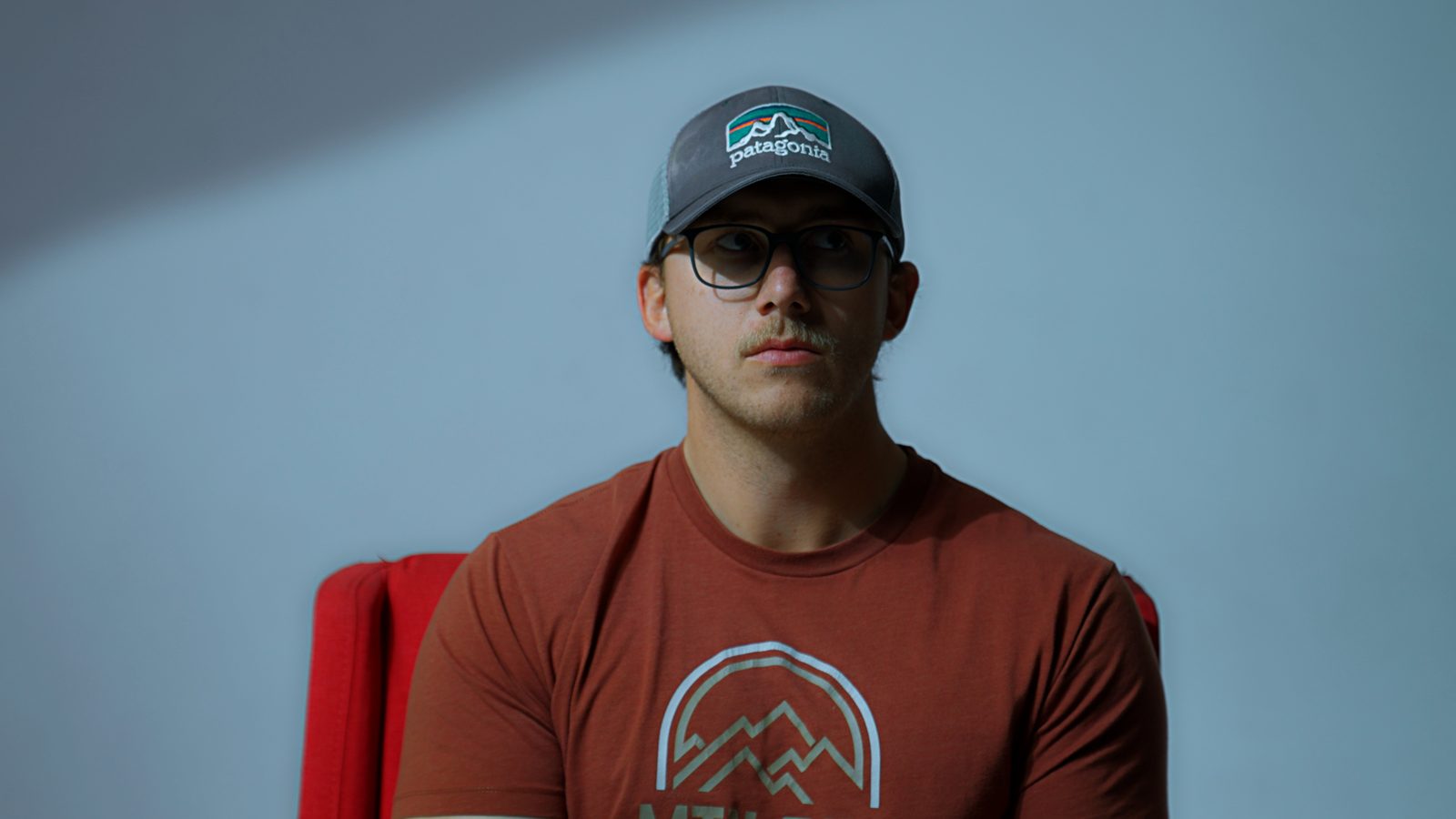 Set 03 — interview
What you leave with
Cards full, and a reason for every frame on them.
- Your footage
- Everything you shot, on your own cards, yours to use
- The manual
- A printed workshop manual to work from afterwards
- Certificate
- A Conniston Studios certificate of completion
- The guarantee
- Leave without footage you can actually use and I refund your seat
That last one isn't a marketing line. If the day doesn't put usable material on your card, it didn't work, and I'm not keeping your money for a day that didn't work.
The seat
Eight seats.
No waiting list theatre.
Eight is the number where everyone still gets to operate on every set. Twelve would be easier money and a worse day. The next date is being locked with the studio now — the list gets it first, and it isn't a long list.
Tell me which workshop on the form and I'll come back with the date before it goes public.
Straight answers
Before you ask.
If it isn't here, email me. I'd rather talk you out of a seat than take R4 125 for a day that was never going to help you.
What camera do I need?
I'm a complete beginner. Should I come?
I shoot for my own business, not for clients. Is this for me?
Do I need to know how to edit?
Where is it, and when?
What if I can't make the date?
The other half
Shoot it here.
Cut it there.
All The Gear No Idea fills your cards. Make The Cut teaches you to turn a card full of footage into something somebody actually watches to the end. Independent days — take either first.
- Both days
- R5 625
- Booked separately
- R6 620 — you save R995